
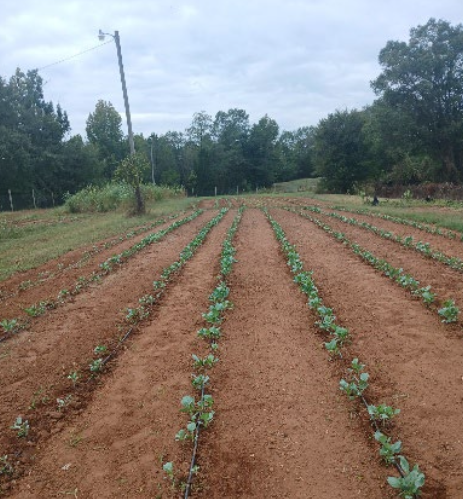
Preparing the soil is key to a good garden
The rich soil of the Black Belt region is like gold to home gardeners. Lovely home gardens require planning and regular attention. The Tuskegee University Extension Program offers several tips to help with your gardening needs.
Select a planting site that has full sun. Vegetables do not grow well when they are competing with trees for sunlight. Soil should be well drained and free from any harmful chemicals or debris.
Before planting, determine the needs for lime, nutrients, and fertilizer for the plants that you wish to grow. For most vegetables, the soil pH should be around 6.0 to 6.5. For example, if a soil test indicates lime is needed in the planting area, gardeners should apply lime two months prior to sowing seeds or putting in transplants. Soil testing kits are available at your local Extension office.
Improve the soil by adding organic matter composted during late fall. Compost can be purchased at a local hardware store or gardening supply store, or created through your own composting system using household food scraps, leaves, lawn clippings, and other organic materials.
Seeds are the least expensive route to growing vegetables. Small seeds like turnips should be planted about ¼ to ½ inches deep.
Use only stocky, healthy, fresh plants if you decide to use transplants. Set transplants at the same level they originally grew in the pot or starting pack. Always water transplants to settle soil around the roots. Set tall tomato plants deeper than they originally grew.
Once planted, soak the garden thoroughly once a week. Light, regular irrigation helps only when starting the seed germination process.
Check your garden regularly for insects and disease. Control weeds and grass that might grow around your plants. Chemical weed killers are not usually recommended for use in home gardens.
For all your gardening questions, contact your local Extension Office.
— George Hunter, Tuskegee University Extension Program ANR Coordinator