
Alabama agriculture officials are reinforcing animal entry requirements in an effort to keep the New World Screwworm out of the state.
The Alabama Department of Agriculture & Industries (ADAI) said the state is taking “proactive steps” following recent detections of the parasite in Texas and New Mexico. Enhanced interstate movement requirements are being implemented for warm-blooded animals entering Alabama from affected states, including livestock, equine animals, and companion pets.
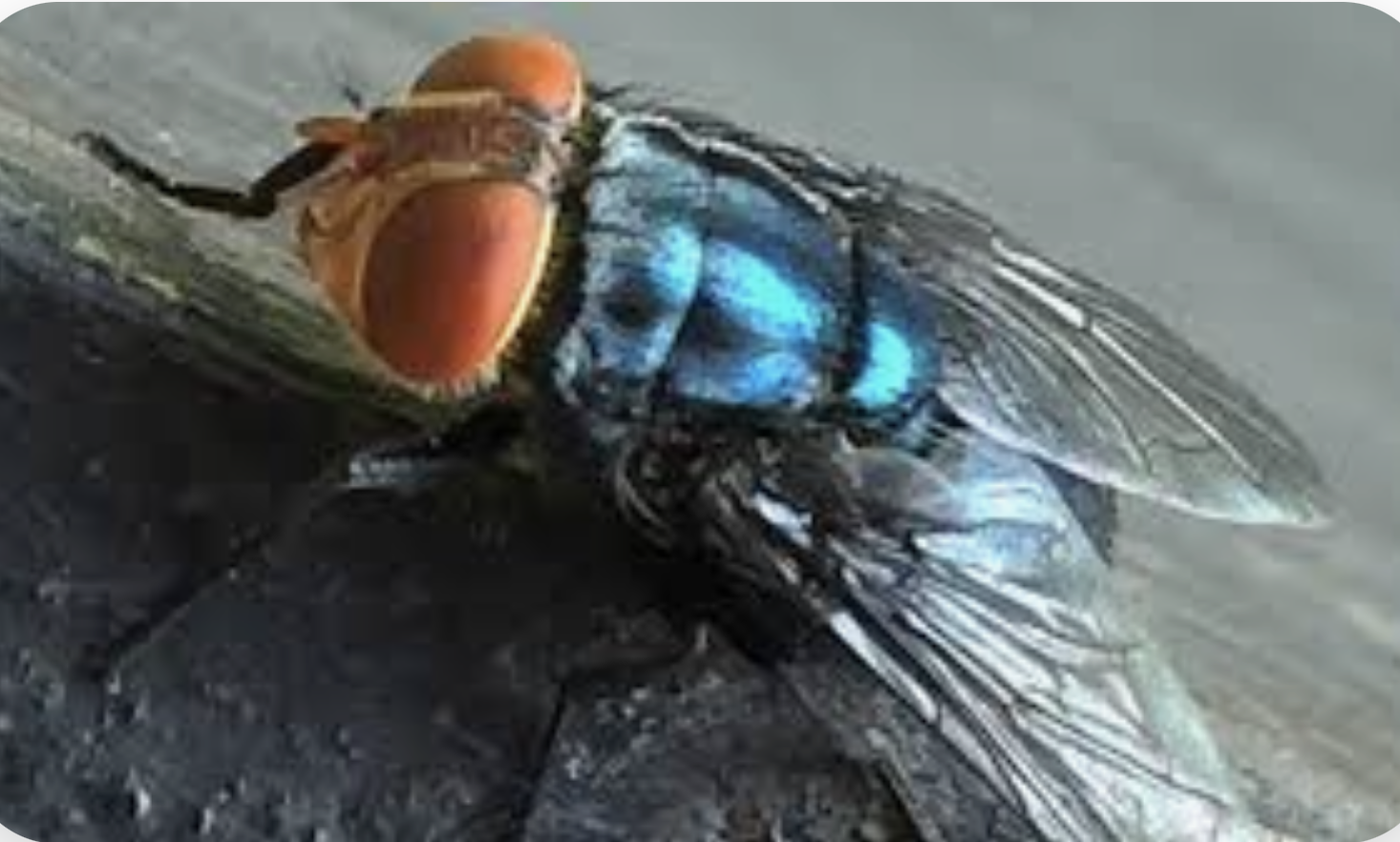
According to ADAI, the New World Screwworm (NWS) is a destructive parasite whose larvae—maggots—burrow into the flesh of living animals, causing severe and often fatal damage. It can infect livestock, pets, wildlife, some bird species, and in rare cases, humans.
Officials said the enhanced measures are intended to protect animal health, strengthen biosecurity, and safeguard Alabama’s agriculture industry.
ADAI emphasized that the parasite does not pose a risk to the food supply and that no affected animals have entered the food chain. Officials also said detections in Texas do not represent an increased risk to Alabama residents unless they have specific exposure factors, such as travel to affected areas.
The response is being coordinated by the U.S. Department of Agriculture (USDA) in partnership with state and federal agencies. Efforts include sterile fly release programs, animal movement controls, monitoring, and public outreach in affected regions.
Residents are urged to report suspected cases to the State Veterinarian’s Office and to take precautions when traveling with animals, including ensuring pets are inspected when traveling internationally and checking vehicles after returning from affected areas.
New World Screwworm was eradicated from the United States in the 1960s following a large-scale campaign using the Sterile Insect Technique. Developed by USDA entomologists Edward Knipling and Raymond Bushland, the method involves raising and sterilizing male flies using radiation. When released, they mate with wild females but produce no offspring, causing the population to decline.
At its peak, a facility in Texas produced up to 200 million sterile flies per week, and by 1966 the United States was declared free of screwworm. Continued efforts pushed the pest south into a permanent barrier zone in Panama, where control operations remain in place.
In late 2024, NWS was detected outside that barrier in southern Mexico. By March 2025, there were hundreds of confirmed cases in Oaxaca and Veracruz, including several human infections.
In response, the USDA suspended imports of live cattle, horses, and bison from Mexico in May 2025. A coordinated containment effort is now underway, relying heavily on sterile fly releases, with approximately 100 million sterile flies being released weekly across Mexico and targeted border regions.